
Solar + Battery Storage vs. Backup Generators: What’s the Right Backup Power for Western Massachusetts Homes?
When the power goes out, homeowners and business owners in Western Massachusetts don’t just want light back on, they want resilience, foresight, and systems designed to last. Whether from severe weather, aging grid infrastructure, or routine utility interruptions, planning for backup power is about infrastructure as much as convenience.
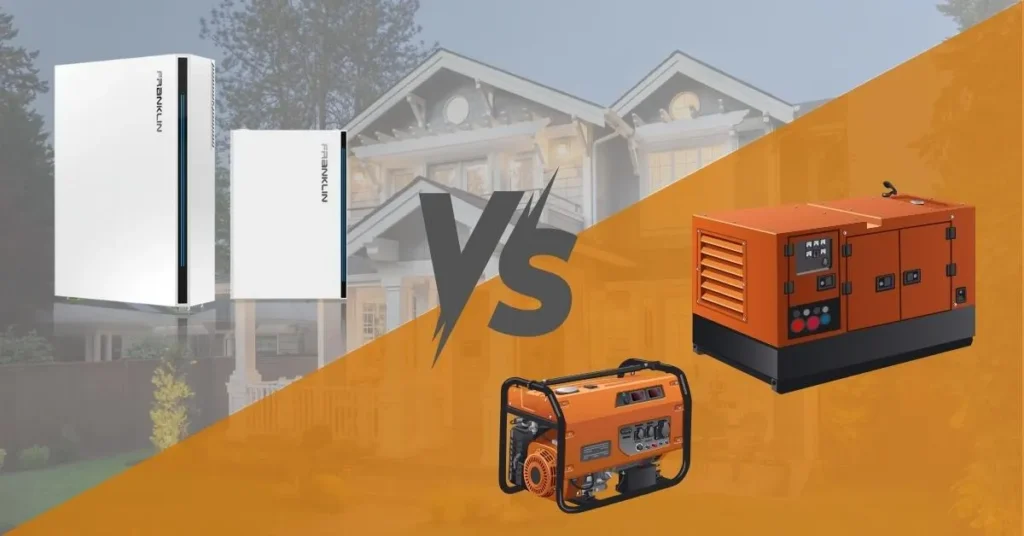
In this guide, we compare two common resiliency options:
- Solar + battery storage systems
- Traditional backup generators
We’ll break down how each works, the trade-offs, and what choice makes sense if you’re thinking about long-term value and durability, not short-term cost games.
How Solar + Battery Backup Works
A solar + battery system is part of a coordinated energy infrastructure.
- Solar panels convert sunlight into electricity that powers your home or business during normal grid operation.
- Battery storage captures solar energy for use when the grid goes down. This stored energy can automatically power essential circuits without manual startup, quietly and without fossil fuels.
During an outage, a properly configured solar + battery system can disconnect from the grid and continue to power key loads, lights, refrigeration, and communications, before and after the storm passes.
Key benefits of solar + battery systems:
- Clean, renewable backup power with zero emissions or fumes.
- Silent operation — no noisy engines running at night.
- Lower long-term operating cost because sunlight is free and maintenance is minimal.
- Ongoing daily value — batteries contribute to energy management even outside outages.
For homeowners and businesses who value long-term stability and technical reliability, solar + battery systems are more than emergency power, they are infrastructure for a resilient energy future.
How Backup Generators Work
Backup generators are traditional tools for power outages. They run on fuel, typically natural gas, propane, or diesel, and convert that fuel into electricity through combustion.
There are two broad categories:
- Portable generators — lower cost, manual start, limited capacity.
- Standby generators — permanently installed, automatic startup, capable of powering most circuits throughout an outage.
Strengths of generators:
- Lower upfront cost compared to full solar + battery systems.
- Unlimited runtime as long as fuel is available.
- High instantaneous power output useful for heavy HVAC, pumps, or workshop loads.
But generators come with trade-offs: ongoing fuel purchases, annual maintenance, exhaust emissions, and noticeable noise during operation.
Solar + Battery vs. Generator: A Structural Comparison
| Feature | Solar + Battery Backup | Backup Generator |
| Upfront Cost | Higher | Lower |
| Operating Cost | Very low | High (fuel + maintenance) |
| Environmental Impact | Emissions-free | Produces fumes |
| Noise | Silent | Loud |
| Runtime | Limited by battery + sun | Unlimited with fuel |
| Long-Term Value | Embedded in energy strategy | Backup only |
| Infrastructure Integration | Integrated with solar | Standalone |
This comparison isn’t about which is “best” in absolute — it’s about what aligns with your strategy. If you see backup power as critical infrastructure and a 25-year investment, solar + battery storage fits naturally with that mindset.
When Solar + Battery Is the Better Choice
A solar + battery system often makes sense when you want:
- Resilient energy infrastructure that contributes to daily energy performance
- Lower operational cost over the system’s life
- Cleaner, quieter backup power
- Integrated solar + storage value beyond outages
In many cases, solar + battery systems outperform generators in total lifecycle cost because there’s no fuel purchase and significantly lower maintenance.
Plus, as solar and battery costs decline and incentives remain favorable in markets like Massachusetts, the long-term value proposition strengthens every year.
Are you Battery curious? Reach out to our experts to learn more!
When a Generator Makes Sense
Generators may still be the right choice if:
- You require continuous power for extended outages and fuel delivery is reliable
- You need high instantaneous power for loads that exceed typical battery capacity
- Your priority is lowest upfront cost with minimal planning
Generators perform in these specific operational niches, but they don’t contribute to your overall energy strategy like a solar + battery system does.
Can You Have Both? Hybrid Backup Strategies
Some homeowners choose a hybrid path:
- Solar + battery storage for everyday energy savings and short-to-medium outage resilience
- Backup generator as a supplemental fallback for multi-day emergencies
This approach reduces fuel use, extends runtime, and balances upfront cost with resilience — but it also increases complexity and system cost.
Framing the Decision as Infrastructure, Not Commodity
At PV Squared Solar, our perspective is guided by craft, durability, and long-term stewardship:
- We treat backup power selection as an infrastructure decision, not a quick purchase.
- We evaluate performance over decades, not just the next outage.
- We ask, “Which approach aligns with your values and long-term energy goals?”
Solar + battery storage is a forward-looking choice that pairs well with how people in Western Massachusetts and Southern Vermont think about community resilience, energy independence, and environmental responsibility.
If you’re considering a backup power solution, or want to understand how solar battery storage integrates with your overall energy strategy, we’re here to help you evaluate options that align with your home or business’s needs.